

THIRUVANANTHAPURAM: The Indian Space Research Organisation (ISRO) is facing intense operational pressure following a strict directive from the Central Government to launch at least 200 satellites over the next three years.
India currently operates just 56 satellites, a fleet that has proven increasingly inadequate to meet the country’s rapidly expanding domestic, commercial, and strategic requirements. Meeting the government's new target will require an unprecedented scale-up in operations; the space agency managed only six launches last year and five the year prior.
Choked schedules and launch failures
The ambitious mandate comes at a time when ISRO's calendar is already packed with high-stakes, flagship programs. The agency is currently balancing the Gaganyaan human spaceflight mission, future Chandrayaan lunar explorations, and the development of an indigenous space station.
Compounding the timeline pressure, the agency's reliable launch calendar was recently disrupted by the failure of two Polar Satellite Launch Vehicle (PSLV) missions. Meanwhile, international demand for India's commercial launch services continues to surge, adding to the operational bottleneck.
To navigate this crisis, ISRO is pivoting toward commercial partnerships, outsourcing the manufacturing of rockets and satellites to the private sector. Around 400 domestic startups and private aerospace firms are currently active in India's space ecosystem. By leveraging these private players, ISRO aims to execute bulk deployments, targeting more than 10 satellites per single launch. The agency is also counting on its newly developed Small Satellite Launch Vehicle (SSLV) to handle high-frequency, low-cost deployments.
Transponder deficit
A primary driver behind the government’s aggressive push is India’s critical shortage of satellite transponders, which serve as the invisible backbone of modern civilian and defense infrastructure.
India currently has access to only 196 transponders. The allocation of this existing capacity is tightly stretched: 126 transponders are leased out to government and private entities, 33 are dedicated entirely to public services, and the remaining 37 are reserved for military and strategic defense use.
This current capacity falls drastically short of India’s actual commercial and defense requirements, which demand a minimum of 500 transponders. To bridge this deficit, the country is currently forced to lease bandwidth from foreign satellites at a significant financial cost. In response, the Centre has explicitly directed ISRO to deploy at least 300 new transponders into orbit as part of the upcoming satellite push.
Everyday reliance on Satellite Technology
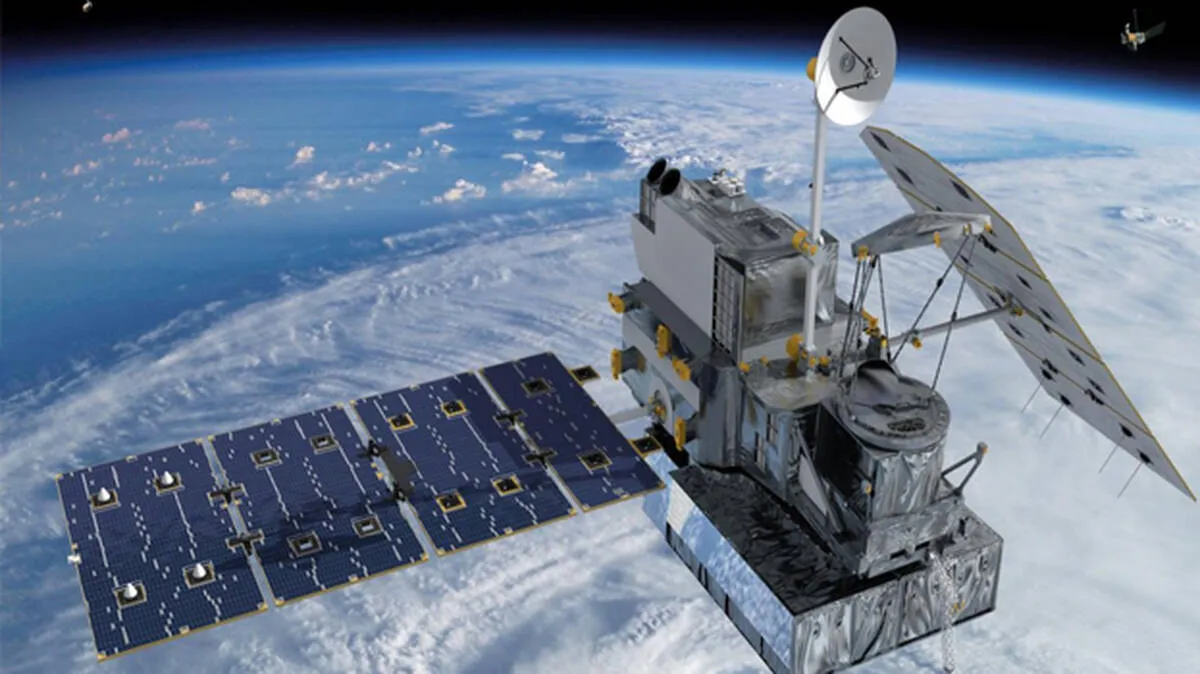
A transponder is a critical electronic device aboard a satellite that receives signals from Earth, amplifies them, and automatically beams them back down at a different frequency to a targeted destination.
Without a massive influx of these devices, the stability of daily digital infrastructure remains vulnerable. Transponder bandwidth is the driving force behind television broadcasting channels, navigation systems for maritime shipping, and commercial aviation. It also powers Air Traffic Control communication networks, national highway electronic toll collection (FASTags), advanced medical equipment, and banking infrastructure—including credit and debit card processing and digital payment gateways.














 HOME
HOME LATEST
 NOTIFIED NEWS
 POLL
POLL KERALA
  EDITORIAL
  INDIA
INDIA  WORLD
WORLD  CINEMA
  SPORTS
  LIFESTYLE
  SPECIAL
  SCIENCE & TECHNOLOGY
 |
|