

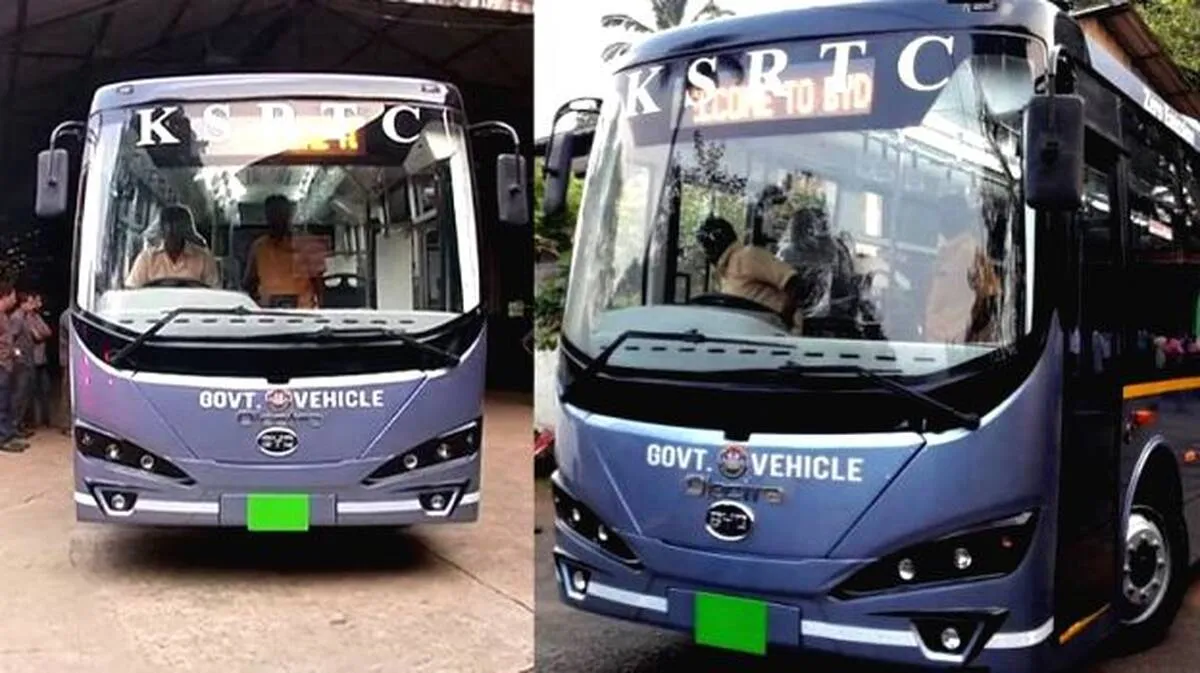
THIRUVANANTHAPURAM: The Kerala State Road Transport Corporation (KSRTC) is set to revive its net lease bus scheme, which the Left government had scrapped in 2019 following financial losses and allegations that it could lead to the privatisation of the state-run transport corporation.
KSRTC has invited tenders to lease more air-conditioned premium buses under the net lease model. The scheme was first introduced during the tenure of former Transport Minister Thomas Chandy in the first Pinarayi Vijayan government, when the corporation operated 10 Scania buses under the arrangement.
Under the net lease model, the private operator provides both the bus and the driver, while KSRTC appoints the conductor, supplies the fuel, and operates the service. According to official figures at the time, eight of the 10 leased buses were operating at a loss. Despite this, KSRTC had proposed leasing 25 more buses, drawing criticism that the move would pave the way for the privatisation of the state-run transport corporation.
However, after a Kerala Kaumudi report published on January 30, 2019, highlighted the mounting losses under the scheme, the government decided to withdraw the proposal.
At the time, KSRTC defended the move by citing a shortage of buses and the need to operate additional services during the Sabarimala pilgrimage season. It had planned to lease selected routes to private bus operators for a fixed rental amount. The corporation is now citing the same reasons for reviving the scheme.
KSRTC plans to lease the buses for six months from August 15, although the contract may be extended depending on operational requirements.
Losses under previous scheme
When the net lease scheme was implemented earlier, diesel was priced at Rs 69 per litre, and KSRTC reportedly incurred a monthly loss of around Rs 60 lakh from the leased buses. With diesel prices now at Rs 104 per litre, the revival of the scheme has once again raised concerns over its financial viability.






 HOME
HOME LATEST
 NOTIFIED NEWS
 POLL
POLL KERALA
  EDITORIAL
  INDIA
INDIA  WORLD
WORLD  BUSINESS
  CINEMA
  SPORTS
  LIFESTYLE
  SPECIAL
  SCIENCE & TECHNOLOGY
 |
|